


 |
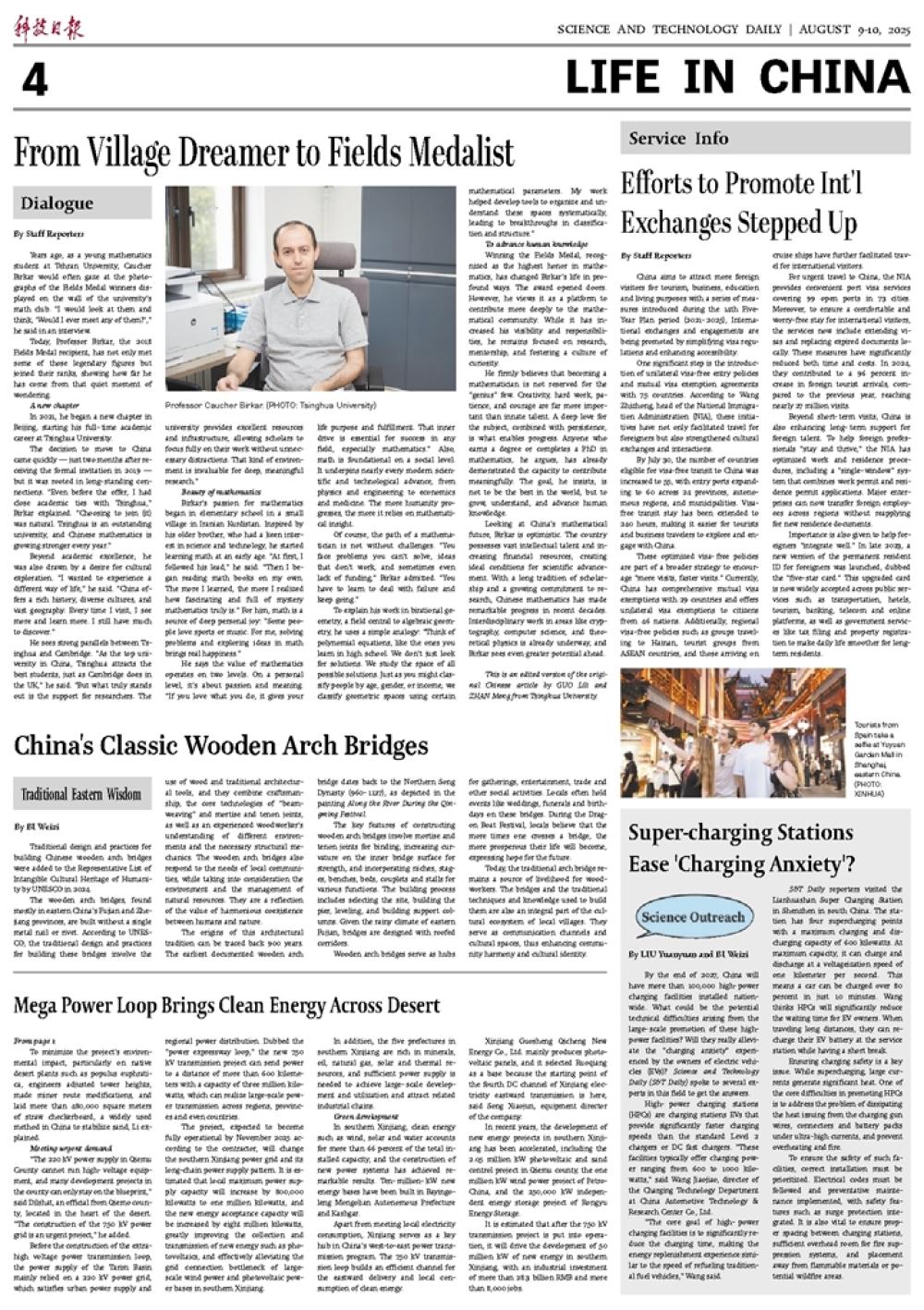
| Tourists from Spain take a selfie at Yuyuan Garden Mall in Shanghai, eastern China. (PHOTO: XINHUA) |
China aims to attract more foreign visitors for tourism, business, education and living purposes with a series of measures introduced during the 14th Five-Year Plan period (2021-2025), International exchanges and engagements are being promoted by simplifying visa regulations and enhancing accessibility.
One significant step is the introduction of unilateral visa-free entry policies and mutual visa exemption agreements with 75 countries. According to Wang Zhizhong, head of the National Immigration Administration (NIA), these initiatives have not only facilitated travel for foreigners but also strengthened cultural exchanges and interactions.
By July 30, the number of countries eligible for visa-free transit to China was increased to 55, with entry ports expanding to 60 across 24 provinces, autonomous regions, and municipalities. Visa-free transit stay has been extended to 240 hours, making it easier for tourists and business travelers to explore and engage with China.
These optimized visa-free policies are part of a broader strategy to encourage "more visits, faster visits." Currently, China has comprehensive mutual visa exemptions with 29 countries and offers unilateral visa exemptions to citizens from 46 nations. Additionally, regional visa-free policies such as groups traveling to Hainan, tourist groups from ASEAN countries, and those arriving on cruise ships have further facilitated travel for international visitors.
For urgent travel to China, the NIA provides convenient port visa services covering 99 open ports in 73 cities. Moreover, to ensure a comfortable and worry-free stay for international visitors, the services now include extending visas and replacing expired documents locally. These measures have significantly reduced both time and costs. In 2024, they contributed to a 96 percent increase in foreign tourist arrivals, compared to the previous year, reaching nearly 27 million visits.
Beyond short-term visits, China is also enhancing long-term support for foreign talent. To help foreign professionals "stay and thrive," the NIA has optimized work and residence procedures, including a "single-window" system that combines work permit and residence permit applications. Major enterprises can now transfer foreign employees across regions without reapplying for new residence documents.
Importance is also given to help foreigners "integrate well." In late 2023, a new version of the permanent resident ID for foreigners was launched, dubbed the "five-star card." This upgraded card is now widely accepted across public services such as transportation, hotels, tourism, banking, telecom and online platforms, as well as government services like tax filing and property registration to make daily life smoother for long-term residents.