


 |
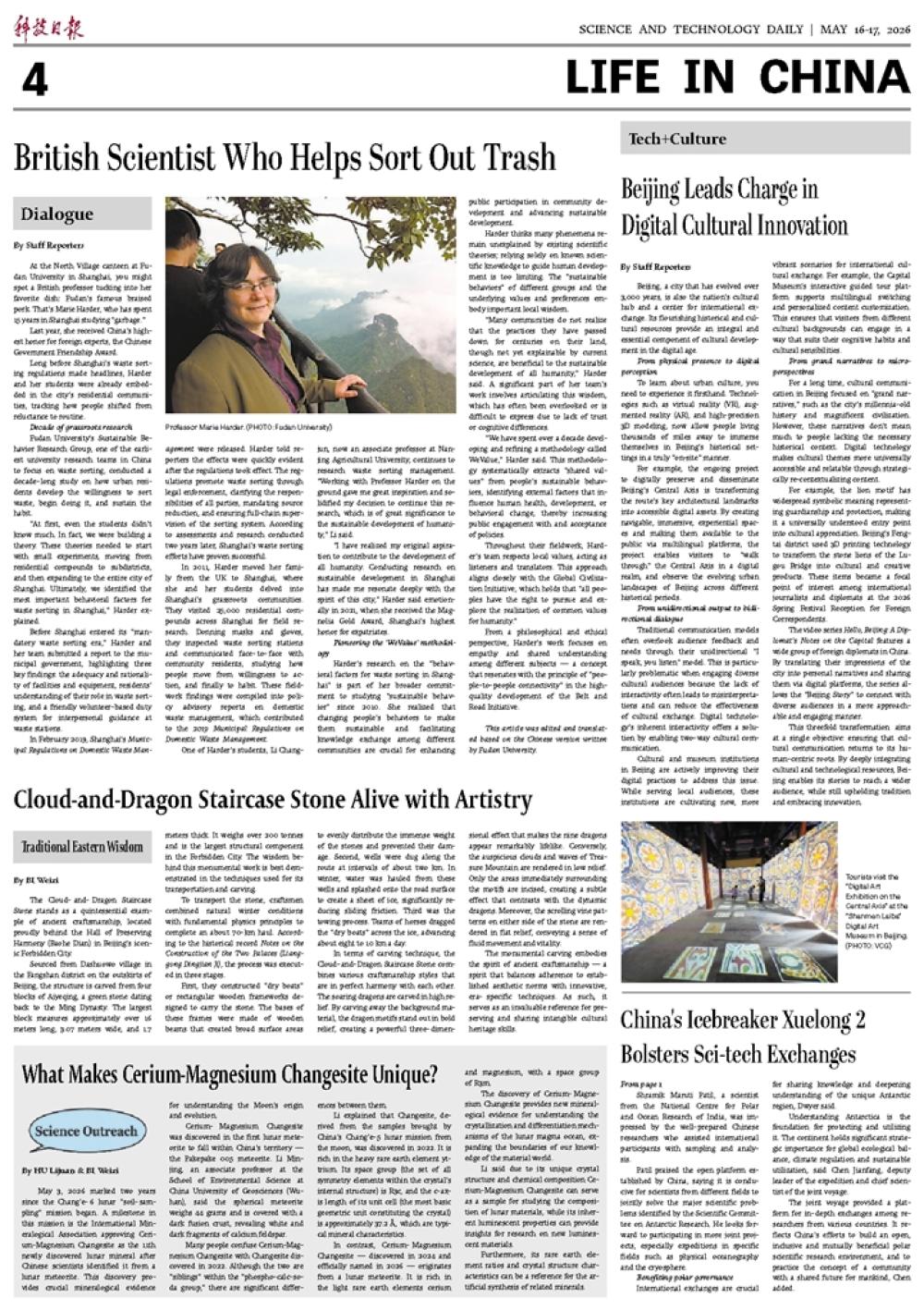
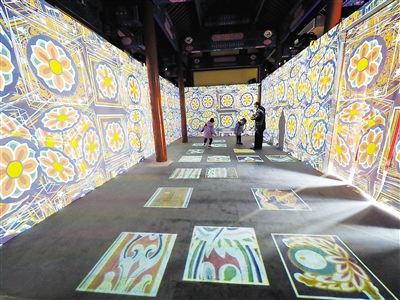
| Tourists visit the "Digital Art Exhibition on the Central Axis" at the "Shanmen Laiba" Digital Art Museum in Beijing. (PHOTO: VCG) |
Beijing, a city that has evolved over 3,000 years, is also the nation's cultural hub and a center for international exchange. Its flourishing historical and cultural resources provide an integral and essential component of cultural development in the digital age.
From physical presence to digital perception
To learn about urban culture, you need to experience it firsthand. Technologies such as virtual reality (VR), augmented reality (AR), and high-precision 3D modeling, now allow people living thousands of miles away to immerse themselves in Beijing's historical settings in a truly "on-site" manner.
For example, the ongoing project to digitally preserve and disseminate Beijing's Central Axis is transforming the route's key architectural landmarks into accessible digital assets. By creating navigable, immersive, experiential spaces and making them available to the public via multilingual platforms, the project enables visitors to "walk through" the Central Axis in a digital realm, and observe the evolving urban landscapes of Beijing across different historical periods.
From unidirectional output to bidirectional dialogue
Traditional communication models often overlook audience feedback and needs through their unidirectional "I speak, you listen" model. This is particularly problematic when engaging diverse cultural audiences because the lack of interactivity often leads to misinterpretations and can reduce the effectiveness of cultural exchange. Digital technology's inherent interactivity offers a solution by enabling two-way cultural communication.
Cultural and museum institutions in Beijing are actively improving their digital practices to address this issue. While serving local audiences, these institutions are cultivating new, more vibrant scenarios for international cultural exchange. For example, the Capital Museum's interactive guided tour platform supports multilingual switching and personalized content customization. This ensures that visitors from different cultural backgrounds can engage in a way that suits their cognitive habits and cultural sensibilities.
From grand narratives to micro-perspectives
For a long time, cultural communication in Beijing focused on "grand narratives," such as the city's millennia-old history and magnificent civilization. However, these narratives don't mean much to people lacking the necessary historical context. Digital technology makes cultural themes more universally accessible and relatable through strategically re-contextualizing content.
For example, the lion motif has widespread symbolic meaning representing guardianship and protection, making it a universally understood entry point into cultural appreciation. Beijing's Fengtai district used 3D printing technology to transform the stone lions of the Lugou Bridge into cultural and creative products. These items became a focal point of interest among international journalists and diplomats at the 2026 Spring Festival Reception for Foreign Correspondents.
The video series Hello, Beijing: A Diplomat's Notes on the Capital features a wide group of foreign diplomats in China. By translating their impressions of the city into personal narratives and sharing them via digital platforms, the series allows the "Beijing Story" to connect with diverse audiences in a more approachable and engaging manner.
This threefold transformation aims at a single objective: ensuring that cultural communication returns to its human-centric roots. By deeply integrating cultural and technological resources, Beijing enables its stories to reach a wider audience, while still upholding tradition and embracing innovation.