

 Next
Next


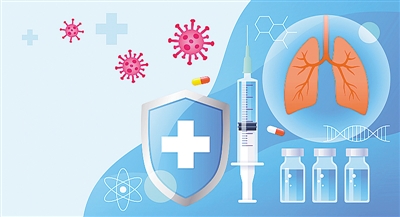 |
| Protect the lungs from post-COVID-19 damage. (PHOTO: VCG) |
A new computer-aided diagnostic tool, developed by researchers from China and Saudi Arabia, could help monitor lung health following viral infection.
Deep-Lung Parenchyma-Enhancing (DLPE) could reveal indiscernible visual features indicative of lung dysfunction, after dealing with standard chest imaging data through AI technology.
Like other respiratory illnesses, COVID-19 can cause lasting harm to the lungs, but doctors have struggled to visualize this damage. Conventional chest scans do not reliably detect signs of lung scarring and other pulmonary abnormalities, which makes it difficult to track the health and recovery of people with persistent breathing problems and other post-COVID-19 complications.
The researchers practiced and validated their AI algorithms using computed tomography (CT) chest scans from thousands of people hospitalized with COVID-19 in China. They refined the method with input from expert radiologists and then applied DLPE in a prospective fashion for dozens of COVID-19 survivors with lung problems, all of whom had experienced severe disease requiring intensive care treatment.
Through DLPE augmentation, radiologists can discover and analyze novel sub-visual lung lesions. Analysis of these lesions could then help explain patients' respiratory symptoms, allowing for better disease management and treatment.